About Pipeline Installation Service
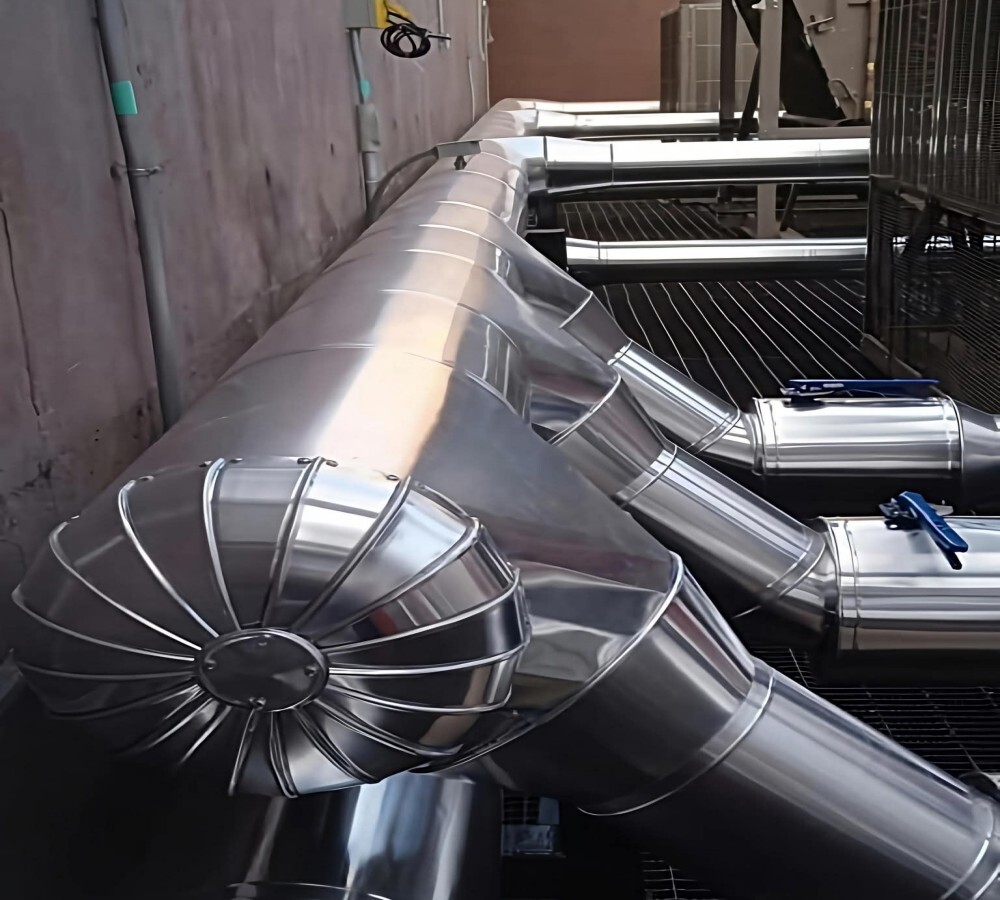
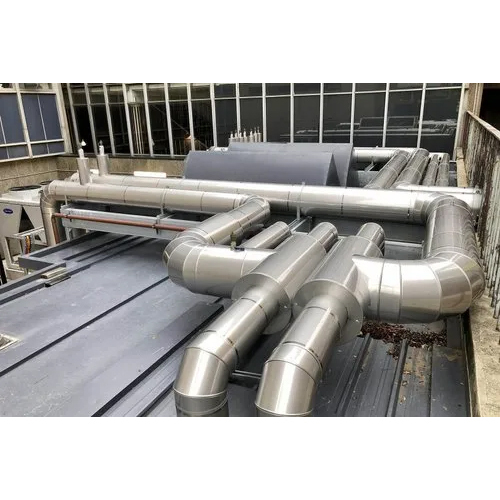
We insulate the pipeline with Hot glass wool & Cold Nitrile Rubber as the process required
| Service Location/City |
Pan India |
| Material Procurement |
Customer End |
| Material |
Stainless Steel |
| Size Of Area |
Depend on client |
| Service Mode |
Offline |
Comprehensive Installation TechniquesOur skilled team harnesses trenching, boring, and HDD (Horizontal Directional Drilling) to install pipelines seamlessly, even in challenging terrains. These methods reduce surface disruption and allow tailored solutions for varied ground conditions, ensuring reliable operations for oil, gas, and utility pipelines.
Robust Testing and Quality AssuranceRigorous inspection, employing both hydrostatic and pneumatic testing, confirms the longevity and safety of every installed pipeline. This thorough process meets industry standards and client expectations, providing peace of mind and compliance with regulatory norms.
Custom Solutions and Corrosion ProtectionCustomizable installation and protection options allow clients to choose pipeline specifications and advanced corrosion mitigation, such as coating and wrapping. This flexibility extends pipeline service life and enhances operational safety, regardless of project complexity, location, or purpose.
FAQ's of Pipeline Installation Service:
Q: How is the appropriate installation technique selected for a pipeline project?
A: The choice among trenching, boring, or HDD depends on site-specific factors such as terrain, soil conditions, environmental concerns, and project logistics. Our team assesses each location to recommend the most practical and cost-effective method for installation.
Q: What is the process for hydrostatic and pneumatic testing in pipeline installation?
A: Hydrostatic testing involves filling the pipeline with water and pressurizing it to check for leaks or weaknesses, while pneumatic testing uses air for the same purpose. Both methods ensure the pipeline is safe and robust before it enters operation.
Q: When should corrosion protection be applied to pipelines?
A: Corrosion protection, such as coating and wrapping, is applied during the installation phase before the pipeline is placed in service. This prevents corrosion from the outset, extending the pipeline's lifespan and lowering maintenance risks.
Q: Where do you provide your pipeline installation services?
A: We offer our pipeline installation services across all regions of India, covering urban, rural, and remote sites for gas, oil, and utility pipelines.
Q: What customization options are available for pipeline installation projects?
A: Clients can specify requirements such as pipe diameter, wall thickness, material, type of corrosion protection, and testing protocols. We work closely with customers to deliver solutions tailored to their unique needs and compliance requirements.
Q: How does after-sales support benefit clients?
A: Our after-sales support provides ongoing assistance with maintenance, troubleshooting, and any necessary repairs, ensuring optimal pipeline performance and minimizing downtime throughout the operational lifespan.
 Haryana, India



 Send Inquiry



 Send Inquiry

 Send Inquiry
 Send Inquiry
 Send SMS
 Call Me Free


